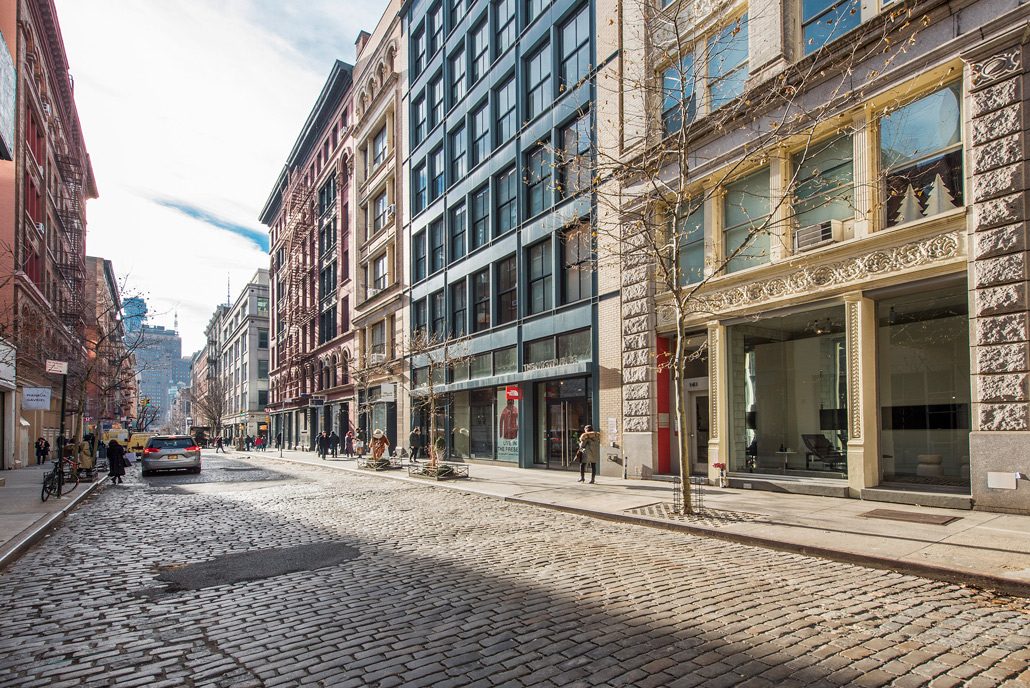
SoHo real estate is unlike almost anything else in Manhattan. Behind the cast-iron facades are broad lofts, unusually high ceilings, oversized windows, and floor plans shaped by the neighborhood's industrial past. I have enjoyed selling many SoHo lofts over the years, and this dynamic neighborhood has style, history, and soul. These qualities create tremendous character, but they also make each building highly individual. Two homes on the same block can differ in ownership structure, light, ceiling height, renovation quality, and operating costs. A successful search starts by understanding the building before falling for the room.
What Makes a SoHo Loft Different
Many of SoHo's residential buildings began as commercial structures used for manufacturing, warehousing, or showrooms. Their original purpose explains the features buyers prize today: wide floor plates, substantial columns, tall windows, and open interiors that can be configured in many ways. It also explains why due diligence matters. Conversions happened at different times and under different rules, so legal use, building systems, and alteration history should be reviewed property by property.
The cast-iron architecture is only part of the appeal. Side streets can feel intimate and residential, while Broadway and major retail corridors carry more activity. Exposure, floor height, window orientation, and distance from busy corners can change how a loft feels throughout the day. In SoHo, the block and the building are inseparable from the apartment itself.
The Main Types of SoHo Real Estate
Classic Loft Co-ops
Loft co-ops often deliver the strongest sense of historic character and can offer compelling space relative to nearby condos. The trade-off is a more involved approval process and building rules that may affect financing, renovation, or future subletting. Review the proprietary lease, financial statements, board minutes, alteration agreement, and any building-specific occupancy requirements with experienced counsel.
Condo Conversions
Condo conversions pair loft architecture with deeded ownership and generally more flexibility. The quality of a conversion can vary, so look beyond finishes. Ask when major systems were replaced, how sound separation was handled, whether windows and facade work have been completed, and what capital projects are planned. A beautiful renovation inside the unit does not answer questions about the building around it.
Newer Boutique Condos
Newer buildings and ground-up developments provide modern mechanicals, elevators, climate control, and services that older lofts may not. They can be easier to operate, but buyers should compare sponsor history, warranties, projected common charges, reserve planning, and the degree to which the building delivers the volume and texture they expected from a SoHo home.
How to Evaluate a Loft Before You Offer
- Confirm legal use and occupancy. Have your attorney review the certificate of occupancy, recorded documents, and any open building issues that affect the unit.
- Study the windows and exposures. Ceiling height is impressive, but the direction, size, and obstructions around the windows determine the quality of natural light.
- Review renovation history. Confirm that major alterations were approved and that electrical, plumbing, climate, and life-safety systems were handled properly.
- Understand landmark constraints. Exterior changes, windows, and visible mechanical work may require added approvals in a historic district.
- Read the building financials. Reserve levels, insurance, assessments, and planned facade or elevator work can materially change the cost of ownership.
What Drives Value in SoHo
The strongest SoHo properties combine authentic volume with practical livability. Buyers consistently value high ceilings, broad rooms, strong light, a usable bedroom layout, private elevator access, and thoughtful renovation. Floor height and exposure can matter more than raw square footage. A slightly smaller loft with open views and a coherent plan can be more desirable than a larger space with limited light or an awkward interior core.
Building quality also creates separation. Reliable management, healthy reserves, updated systems, and a well-maintained facade support both daily ownership and resale. When comparing asking prices, I help clients normalize for those differences instead of treating every downtown loft as the same product.
How SoHo Fits a Manhattan Search
SoHo works best for buyers who value architecture, scale, and downtown energy more than a long amenity list. If you are still deciding between ownership structures, my guide to co-op versus condo ownership in Manhattan explains the financial and approval differences. To compare SoHo with other areas, see my overview of the best neighborhoods to buy in Manhattan and the broader Manhattan luxury real estate market.
The Bottom Line
Buying in SoHo rewards careful comparison. The neighborhood's best homes feel effortless, but the decision behind them should be rigorous: confirm the legal framework, understand the building, test the light and layout, and account for upcoming capital work. With that foundation, a SoHo loft can offer a combination of architecture and flexibility that is difficult to replicate elsewhere in Manhattan.
I have spent more than 26 years helping NYC sellers maximize their value, and buyers evaluate properties whose worth depends on details that are easy to miss during a first tour. If you are a SoHo owner looking to understand how your home fits into today's market -- and if you are a buyer with SoHo on your list -- then I'm here to help you meet your goals.
Frequently Asked Questions
- Are most SoHo apartments co-ops or condos?
- SoHo includes both. Many classic loft buildings became co-ops, while later conversions and newer boutique buildings are often condos. Ownership structure affects approvals, financing, renovation rules, and future flexibility, so it should be part of the search from the start.
- What should I inspect in a SoHo loft?
- Focus on legal use, natural light, window condition, mechanical systems, sound separation, renovation approvals, building financials, and planned exterior or elevator work. An attorney and qualified inspector should review the property-specific details.
- Why do two similar SoHo lofts have different values?
- Floor height, exposure, ceiling height, layout, renovation quality, building condition, ownership structure, and block activity can create meaningful differences even when the listed square footage is similar.
- Is a SoHo loft a good long-term purchase?
- SoHo has a limited supply of true cast-iron lofts and enduring demand for architectural space. Long-term performance still depends on the specific building, condition, purchase price, and quality of the apartment.